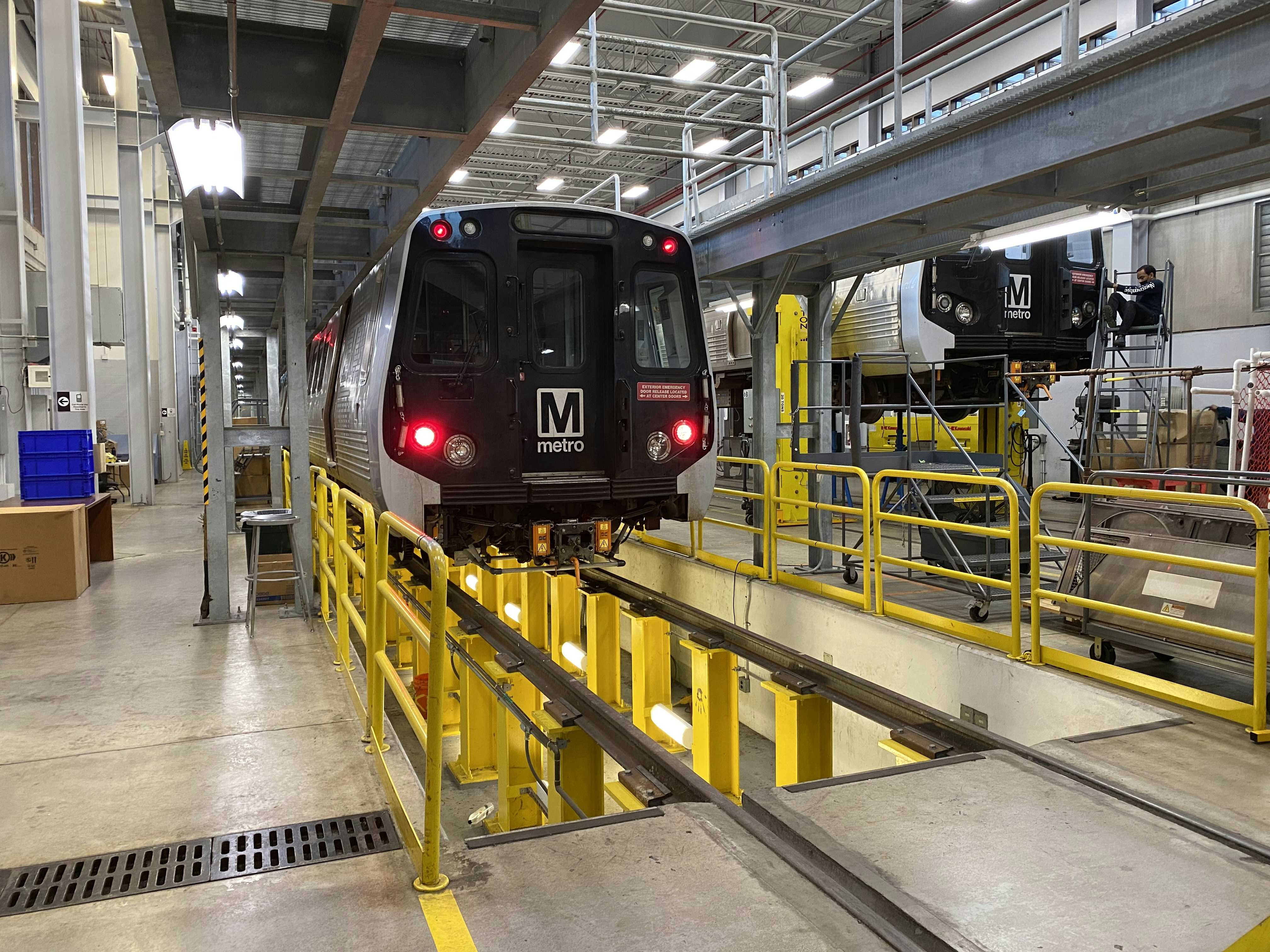
Understanding the Role of Maintenance Managers
In today’s competitive landscape, the responsibilities of maintenance managers have evolved considerably. These professionals are crucial in the upkeep of facilities and equipment, ensuring that operational efficiency is maintained. Their role transcends mere supervision; they must develop strategic plans, foster effective teams, and embrace technological advancements.
Benefits of Training and Development
Training for maintenance managers is not just beneficial; it is essential for effective performance. Well-structured training programs empower managers to enhance their skills, improve problem-solving capabilities, and cultivate a proactive maintenance culture. Furthermore, such training can lead to significant reductions in operational costs, improved safety standards, and prolonged equipment life. Undergoing specialized training equips managers to handle unforeseen challenges effectively, ensuring minimal disruptions.
Implementing Effective Training Programs
To realize the benefits of training, organizations must design programs that address the specific needs of maintenance managers. These programs should cover various topics, including predictive maintenance, reliability-centered maintenance, and advanced technologies such as IoT devices. Additionally, investing in mentorship opportunities can bridge the knowledge gap for practitioners, allowing seasoned professionals to share insights with emerging talent. Continuous education fosters adaptability and keeps managers abreast of industry trends and best practices.
In conclusion, the importance of training for maintenance managers cannot be overstated. Enhanced skills lead to greater efficiency, reduced risk, and the overall success of maintenance practices.